Why You No Longer Need a Website in 2026
The digital world is changing faster than ever. Just a few years ago, having a website was considered essential for any business, freelancer, or creator. But in 2026, the rules are different. With new tools and platforms, it is possible to reach audiences and build a strong digital presence without a traditional website.
Here is why a website is no longer always necessary and what alternatives you can use to grow online.
Social Platforms Are More Powerful Than Ever
Social media platforms like Instagram, YouTube, TikTok, LinkedIn, and X have evolved into complete ecosystems where people discover brands, consume content, and make purchases.
- Instagram and TikTok let creators sell products directly within the app.
- LinkedIn acts as a professional portfolio and networking hub.
- YouTube is both a content platform and a marketplace for digital products and courses.
Because most users spend more time on these platforms than visiting traditional websites, businesses can effectively engage and sell without owning a website.
All-in-One Digital Identity Platforms
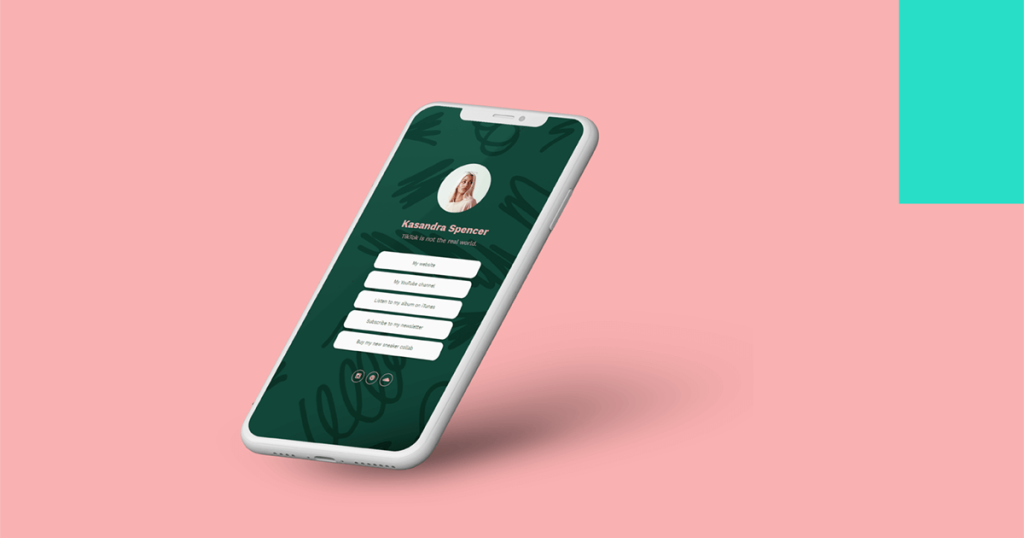
Platforms like Ursites (ursites.in) and other link-in-bio tools provide a simple alternative to websites. They allow you to:
- Consolidate all your links, social profiles, and content in one page
- Showcase your services, products, and portfolios
- Accept payments, bookings, or inquiries without a website
- Customize your page to reflect your personal or business brand
Effectively, you get a mini website in one link that is fast, affordable, and mobile-friendly.
No More Maintenance or Hosting Costs
Traditional websites require hosting plans, domain registration, security updates, backups, and technical maintenance. For small businesses, freelancers, and creators, this can be costly and time-consuming. Platforms like Ursites provide a ready-to-go, managed page that is secure and updated automatically.
Mobile-First Users Prefer Simplicity
Over 60 percent of internet traffic comes from mobile devices. Users want fast-loading pages, clear navigation, and immediate access to the content or products they are looking for.
A single link page like Ursites meets these expectations:
- Loads instantly on mobile
- Organizes all information in one scrollable page
- Eliminates unnecessary clicks or redirects
This creates a better user experience than many traditional websites can offer.
Analytics and Performance Are Built In
Modern digital identity platforms provide real-time analytics showing which links are clicked most, where traffic comes from, and what content drives engagement.
Traditional websites require Google Analytics integration, plugins, and manual reporting to get the same insights. Using an all-in-one platform makes tracking effortless and actionable.
Faster, Cheaper, and Scalable
Launching a traditional website can take weeks and often requires a developer. It also costs money for design and maintenance.
A platform like Ursites allows you to:
- Launch in minutes
- Make instant updates
- Add new content or services without a developer
- Scale your online presence as your business grows
Conclusion
Websites still have value for large businesses, blogs, or complex online stores. But for most creators, freelancers, and small businesses, they are no longer necessary.
With social media platforms and tools like Ursites, you can create a professional and engaging online presence with:
- One link that contains all your content and services
- Lower costs and less technical hassle
- Instant updates and built-in analytics
The future is mobile, fast, and centralized. In 2026, you can build your digital presence and grow your business without a traditional website.